

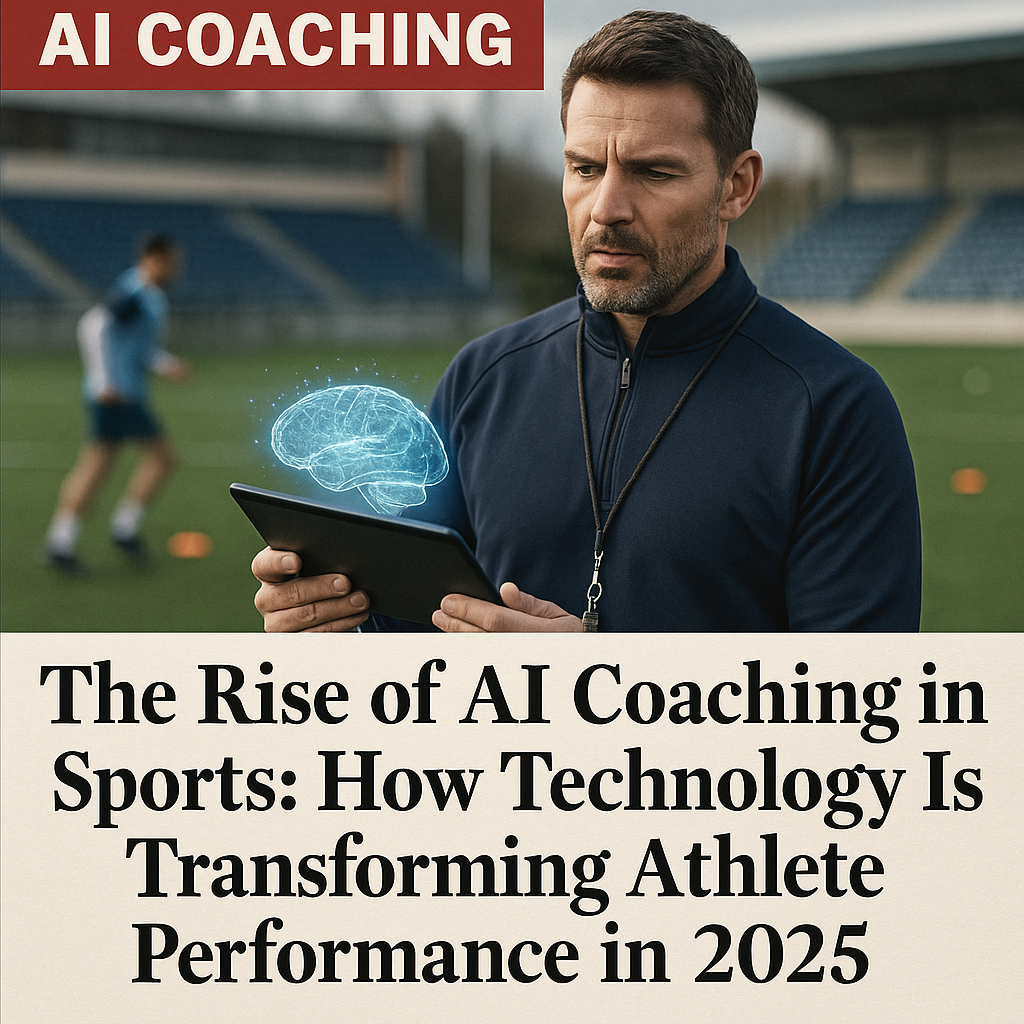
Artificial intelligence has officially entered the world of sports — and not quietly.
From elite athletes to amateur players, AI-driven tools are reshaping how training, performance analytics, and injury prevention are handled in 2025.
This year marks the biggest technological leap in sports since the introduction of video replay.
Here’s how AI is changing everything.
1. AI Video Analysis Is Replacing Traditional Coaching Review
Modern AI systems can analyze:
- speed
- form and mechanics
- angles and posture
- acceleration and braking
- real-time performance errors
What used to take coaches hours of manual video review now takes seconds.
This allows players to receive immediate feedback during training sessions.
2. Wearable Sensors Are Tracking Every Movement
New-generation wearables track:
- heart strain
- muscle fatigue
- hydration levels
- micro-movements
- kinetic load on joints
Athletes receive alerts when they are at risk of overtraining or potential injury.
These tools are especially common in:
- football
- basketball
- marathon training
- tennis
- swimming
3. Predictive AI Prevents Injuries Before They Happen
AI models trained on millions of datasets now identify subtle indicators of:
- tendon stress
- ligament imbalance
- dangerous movement patterns
- internal fatigue even before symptoms hit
Teams using predictive AI in 2025 report up to 40% fewer injuries.
4. Personalized Training Programs Adjust in Real Time
AI coaching platforms generate training plans based on:
- performance progress
- sleep levels
- nutrition
- stress markers
- past injuries
Programs update daily based on new data from wearables and training sessions.
5. AI Referees and Officiating Are Reducing Human Error
Several leagues have begun testing:
- AI-assisted out-of-bound decisions
- automated ball tracking
- instant foul detection
- AI-powered VAR systems
- precision line-calling
In tennis, AI refereeing has already replaced line judges in multiple tournaments.
6. Nutrition Is Becoming Algorithmically Optimized
AI nutrition apps create personalized plans based on:
- metabolism
- training intensity
- recovery needs
- time-of-day performance
- microbiome data
Meal plans are now tailored with scientific precision.
7. AI Is Making Sports More Accessible to Amateurs
Casual athletes can now use:
- smartphone-based form correction
- virtual AI trainers
- AI-run drills
- personalized running strategies
- strength training simulations
This levels the playing field for people without access to professional coaches.
8. Fans Are Getting an AI-Powered Experience Too
AI is transforming sports entertainment with:
- real-time augmented stats
- predictive analysis during games
- interactive viewing on AR glasses
- AI commentators
- custom highlight reels
Viewers receive personalized commentary and insights based on their favorite players or teams.
9. The Ethics Debate Is Heating Up
As AI becomes more influential, questions emerge:
- Will AI create unfair advantages?
- Should AI coaching be regulated?
- Can data privacy be guaranteed?
- How do we prevent overreliance on technology?
Sports may eventually require global standards for AI usage.
The Bottom Line
AI is not replacing coaches — it is elevating them.
And in 2025, athletes who leverage AI performance tools have a measurable competitive edge.
The future of sports training is smart, data-driven, and incredibly precise.
Leave a Reply