

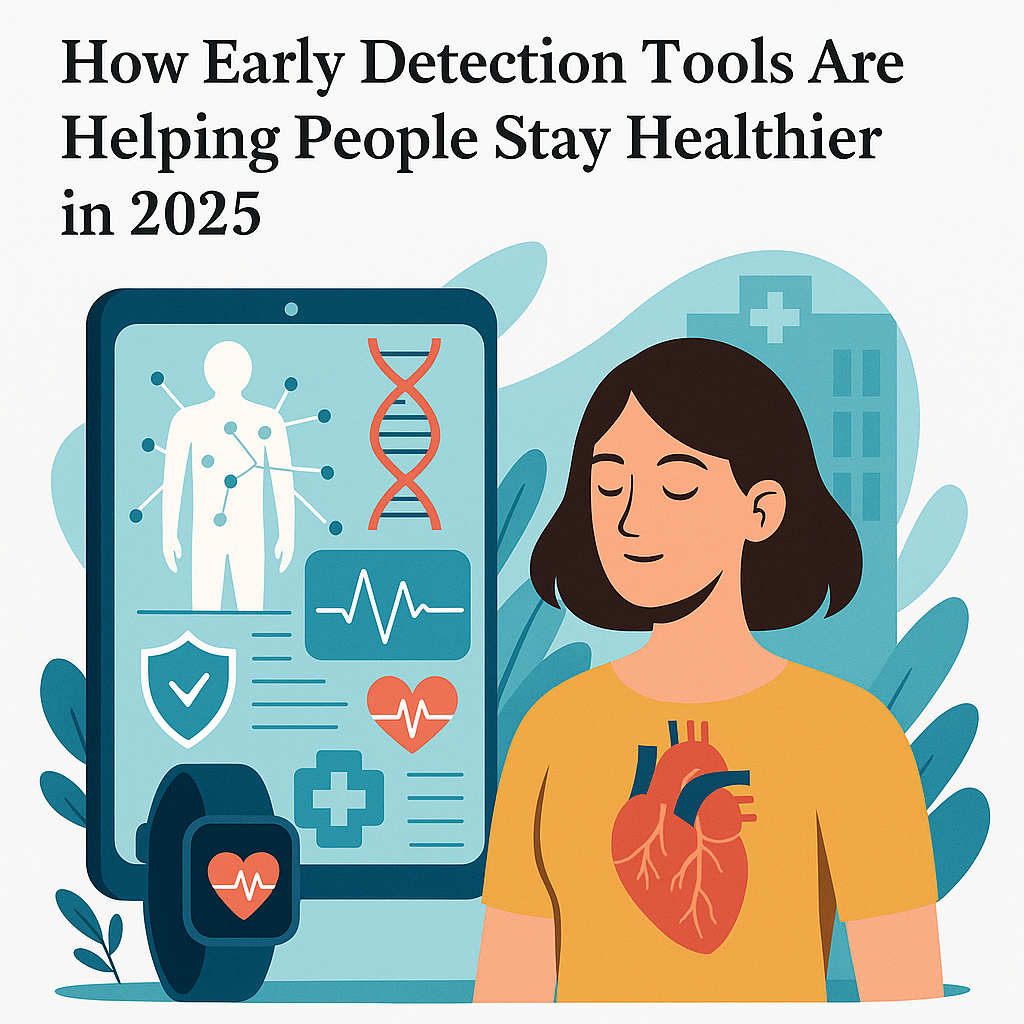
Medicine is shifting toward prevention — and AI is leading that transformation. In 2025, early detection tools powered by artificial intelligence are becoming essential for tracking health risks long before symptoms appear. These systems analyze data from wearables, genetic profiles, lifestyle habits, and medical records to alert users about potential issues early enough to take action.
For the first time, individuals have access to personalized preventive healthcare that used to be available only in specialized clinics.
AI-Based Early Detection Helps Catch Problems Before They Escalate
Modern preventive AI systems monitor:
- heart rhythm irregularities
- blood oxygen fluctuations
- stress patterns
- glucose spikes
- blood pressure variability
- sleep disruptions
- hormone irregularities
By identifying subtle irregularities, AI can detect early signs of:
- cardiovascular disease
- diabetes
- kidney issues
- respiratory conditions
- immune system problems
- chronic inflammation
This leads to faster treatment, fewer hospitalizations, and better long-term outcomes.
Wearables and At-Home Sensors Are Becoming Medical Tools
What used to be simple fitness trackers are now full diagnostic assistants.
Smart devices can detect:
- abnormal heartbeat activity
- early respiratory distress
- drops in blood oxygen
- unusual fatigue patterns
- signs of illness before symptoms
- hydration levels
- menstrual cycle irregularities
AI cross-references this data with global health models to determine risk levels and offer recommendations.
Genetic Insights Are Powering Personalized Prevention
AI can analyze genetic data to assess predispositions for conditions like:
- cancer
- Alzheimer’s
- heart disease
- hormonal disorders
- autoimmune diseases
Instead of waiting for symptoms, users receive proactive lifestyle, nutrition, and medical screening recommendations tailored to their DNA.
AI Helps People Build Healthier Daily Routines
Preventive health apps now generate:
- personalized exercise plans
- optimized meal recommendations
- hydration schedules
- stress-reduction strategies
- sleep improvement cycles
All based on real-time health data, not generic guidelines.
This helps users avoid chronic disease by making small daily adjustments.
Mental Health Monitoring Is a Key Component
AI systems analyze:
- voice patterns
- typing speed
- behavioral changes
- shifts in routine
- sleep quality
to detect early signs of:
- depression
- anxiety
- burnout
- cognitive decline
By catching issues early, AI helps users seek help sooner and avoid escalation.
AI Improves Doctor-Patient Collaboration
Doctors now receive AI-generated insights that:
- highlight potential risks
- summarize patient trends
- detect anomalies in real time
- suggest screening tests
- offer treatment adjustment recommendations
This leads to more accurate diagnoses and proactive care.
The Future: AI That Prevents Disease Before It Starts
By 2030, preventive AI may be able to:
- predict disease years in advance
- adjust treatment plans automatically
- deliver medication reminders based on biomarkers
- sync with homes to optimize air, light, and temperature
- guide personalized longevity plans
Healthcare will shift from treating illness to maintaining wellness.
The Bottom Line
Preventive health AI gives individuals the power to understand their bodies better than ever. By detecting risks early, promoting healthier habits, and providing personalized guidance, AI is helping people in 2025 stay healthier — not by reacting to disease, but by preventing it.
Leave a Reply