

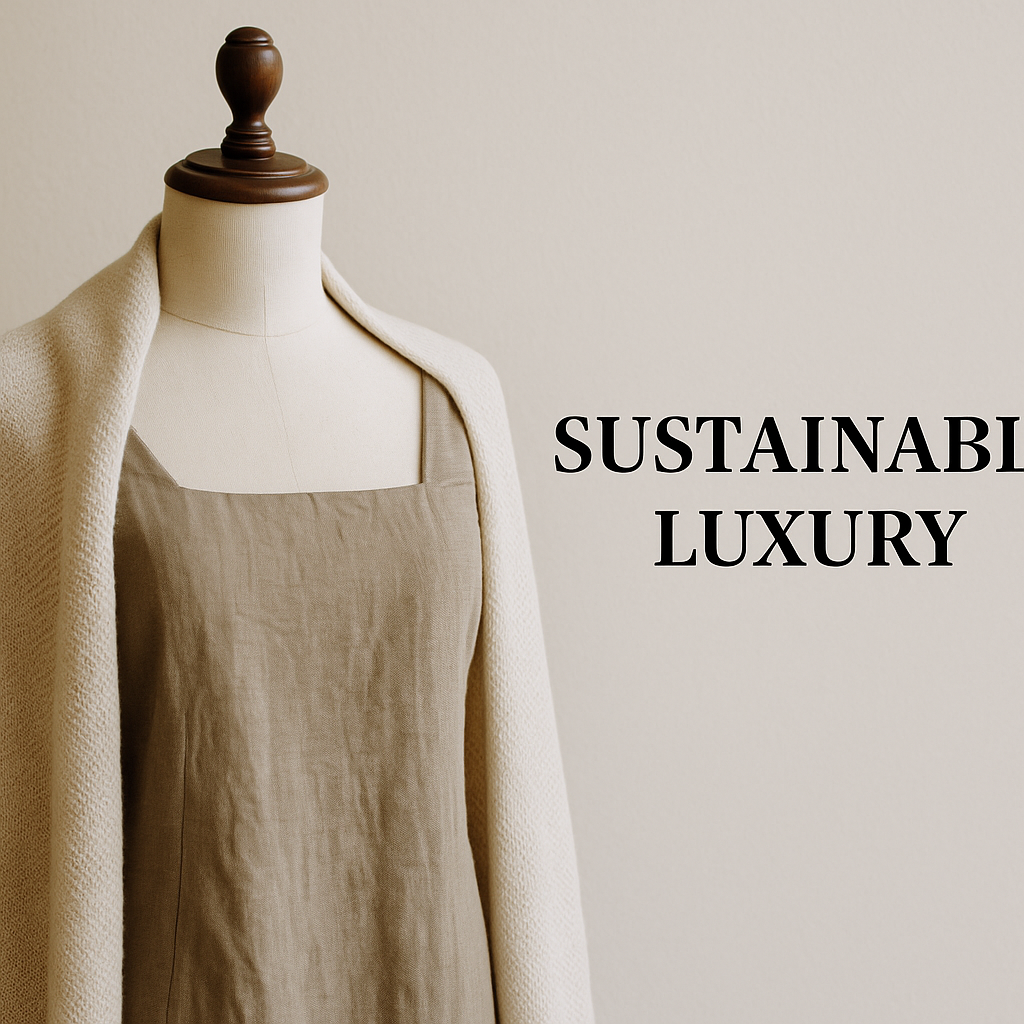
Luxury fashion is undergoing a radical shift. In 2025, high-end brands are embracing sustainability as a central pillar of their identity, transforming everything from materials to manufacturing, packaging, and distribution.
Consumers are demanding responsibility. Designers are embracing innovation. And the result is a new era of eco-friendly luxury fashion that blends craftsmanship, ethics, and cutting-edge materials.
This is not a niche movement — it’s become the defining direction of the modern fashion landscape.
Why Luxury Brands Are Moving Toward Sustainability
1. Eco-Conscious Consumers Are Setting New Expectations
Shoppers today want fashion that feels good and does good. Research shows:
- 73% of luxury buyers prefer sustainable brands
- 62% check material and environmental impact before purchasing
- younger audiences value ethical production as much as style
Luxury shoppers are no longer driven solely by exclusivity — they want values.
2. Government and Industry Regulations Are Changing
New sustainability laws across Europe, Asia, and North America are forcing brands to:
- reduce carbon emissions
- track supply chain transparency
- switch to cleaner materials
- eliminate harmful chemicals
Luxury houses must adapt or risk legal and reputational consequences.
3. AI Is Helping Reduce Waste
AI-powered production tools allow brands to:
- forecast demand more accurately
- design efficient patterns
- reduce fabric waste
- test ideas digitally before manufacturing
- predict sustainability impact
Tech and ethics are merging to support greener design.
Key Sustainable Luxury Trends in 2025
1. Bio-Based and Regenerative Materials
Luxury brands now use:
- mushroom leather (mycelium)
- pineapple fiber textiles
- recycled cashmere
- lab-grown silk
- biodegradable vegan leather
These materials offer high-end quality without the environmental cost.
2. Circular Fashion Programs
Many brands are launching:
- repair services
- resale marketplaces
- recycling programs
- take-back initiatives
This extends garment lifecycles and reduces waste.
3. Zero-Waste Couture
Designers are:
- eliminating offcuts
- using modular patterns
- constructing garments from single-piece fabrics
High fashion is returning to craftsmanship but with smarter execution.
4. Waterless and Low-Chemical Dyeing
Innovative dyeing techniques reduce pollution and preserve fabric quality, becoming a signature of premium eco-friendly collections.
Brands Leading the Sustainable Luxury Movement
The most influential names shaping the shift include:
- Stella McCartney – pioneer of eco-luxury
- Gucci Equilibrium – carbon-neutral initiatives
- Hermès – experimenting with mycelium leather
- Prada Re-Nylon – regenerated materials
- Loro Piana – responsibly sourced wool
- AURA Sustainable Couture – digital design + organic textiles
These brands have made sustainability a core part of their brand identity.
How Sustainability Is Redefining Luxury Aesthetics
Eco-luxury has influenced the look and feel of high fashion:
- earthy tones
- natural textures
- organic silhouettes
- handcrafted detailing
- minimalist cuts
- durable materials
The emphasis has shifted from fast statement pieces to long-lasting, meaningful design.
Why Sustainable Luxury Is Here to Stay
Analysts predict that sustainable luxury will dominate the next decade because:
- eco-regulations will get stricter
- ethical consumerism will keep rising
- AI will continue minimizing waste
- luxury brands will compete on sustainability
- environmental certifications will become the norm
Sustainable luxury is not just a fashion movement — it’s an economic and cultural shift redefining what “high-end” truly means.
The Future of Fashion Is Ethical, Intelligent, and Beautiful
Luxury fashion is entering a new era where sustainability enhances exclusivity rather than limiting it.
Beauty and responsibility now go hand in hand — and 2025 is the year eco-friendly luxury becomes the global standard.
Leave a Reply