

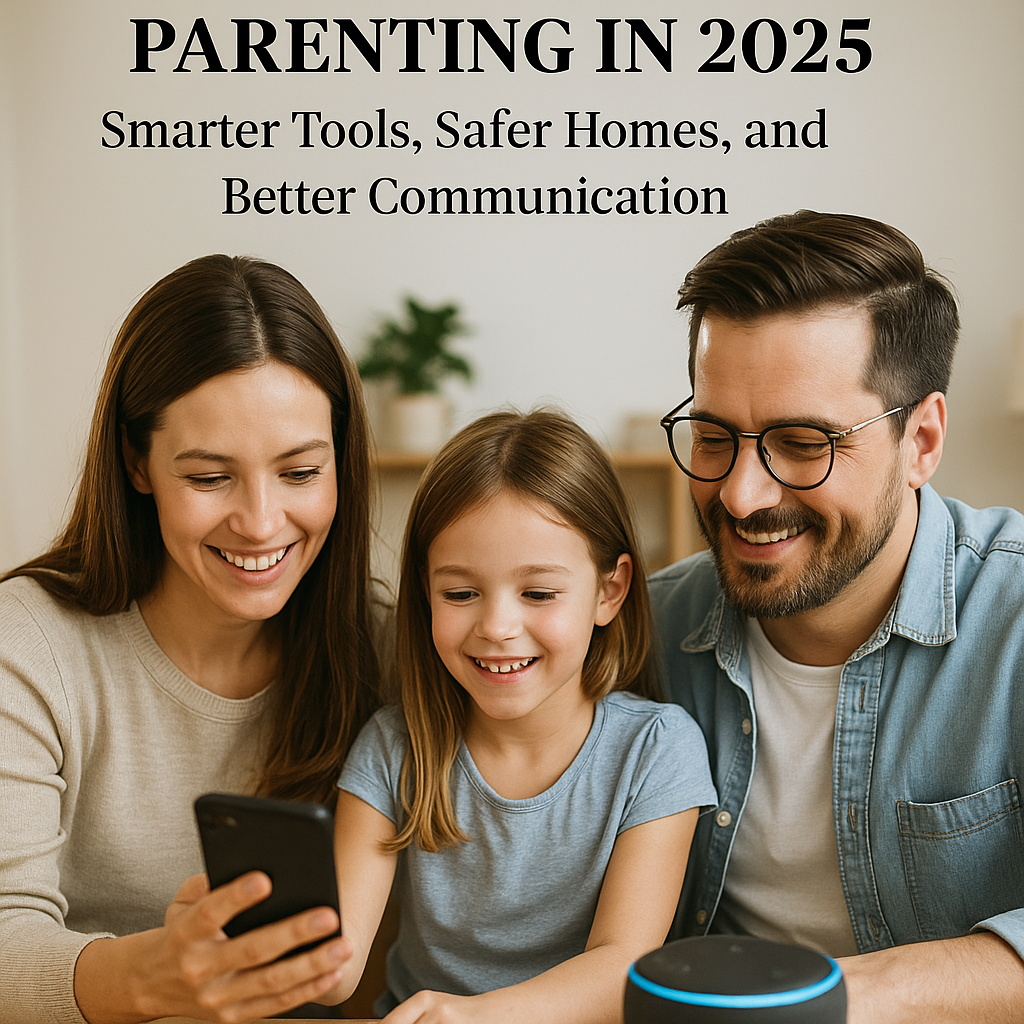
Artificial intelligence is rapidly becoming a central part of modern family life. In 2025, families rely on AI tools to help with everything from scheduling to safety monitoring, homework assistance, financial planning, and emotional communication.
Parenting is evolving — not because tech replaces parents, but because AI provides tools that make daily life simpler, safer, and more organized.
AI Helps Parents Stay Organized Like Never Before
Families often juggle multiple responsibilities: work, school activities, appointments, chores, and social events. AI tools now help streamline these routines.
AI-powered family organizers can:
- sync multiple calendars
- remind parents of deadlines
- plan meals
- auto-generate grocery lists
- manage chore schedules
- track school assignments
These systems reduce stress and prevent scheduling overload.
Smarter Home Safety Systems Are Becoming Standard
Home safety has improved dramatically with new AI features integrated into:
- baby monitors
- smart locks
- doorbell cameras
- motion-detection systems
- temperature and air-quality sensors
Today’s AI monitors can:
- detect falls
- recognize unsafe noise levels
- identify potential hazards
- send real-time alerts
- differentiate between family members and strangers
These features give parents peace of mind, especially in busy households.
AI Is Improving Childhood Education at Home
With AI tutoring systems becoming more advanced, children are gaining access to personalized learning resources.
AI-assisted learning tools help kids with:
- reading comprehension
- math and science practice
- language learning
- creative writing
- homework explanations
- test preparation
The AI adapts to each child’s pace and learning style, offering customized lessons teachers often cannot provide in large classrooms.
Digital Companions for Emotional Support
AI companions aren’t meant to replace friendships or parental bonding, but they do provide:
- emotional check-ins
- positive reinforcement
- conversation practice
- guided mindfulness
- supportive messages
These tools are especially useful for kids who struggle with communication or social anxiety.
Helping Parents With Financial Planning
Family expenses are rising, and AI is becoming a useful budgeting partner.
AI finance apps help:
- plan monthly budgets
- forecast upcoming costs
- track subscriptions
- manage allowance systems
- optimize savings goals
Parents report improved long-term financial clarity thanks to these systems.
Smarter Communication in the Home
AI is helping reduce miscommunication with features that:
- translate multilingual households in real time
- assist children with speech development
- help parents send reminders and tasks
- transcribe conversations for clarity
- create family discussion summaries
In multi-generational homes, AI translation tools are especially valuable.
Concerns About Privacy and Screen Time Remain
Experts caution that families must balance AI use with:
- healthy screen habits
- offline playtime
- privacy protections
- secure device settings
- parental oversight
AI works best when it supports family bonding — not replaces it.
The Future of Parenting Is Hybrid and Connected
AI will continue helping families manage daily life, but human intuition, love, and connection will always remain the core of parenting.
In 2025, families that use AI wisely are finding themselves more organized, less stressed, and better prepared for the challenges of modern life.
Leave a Reply