

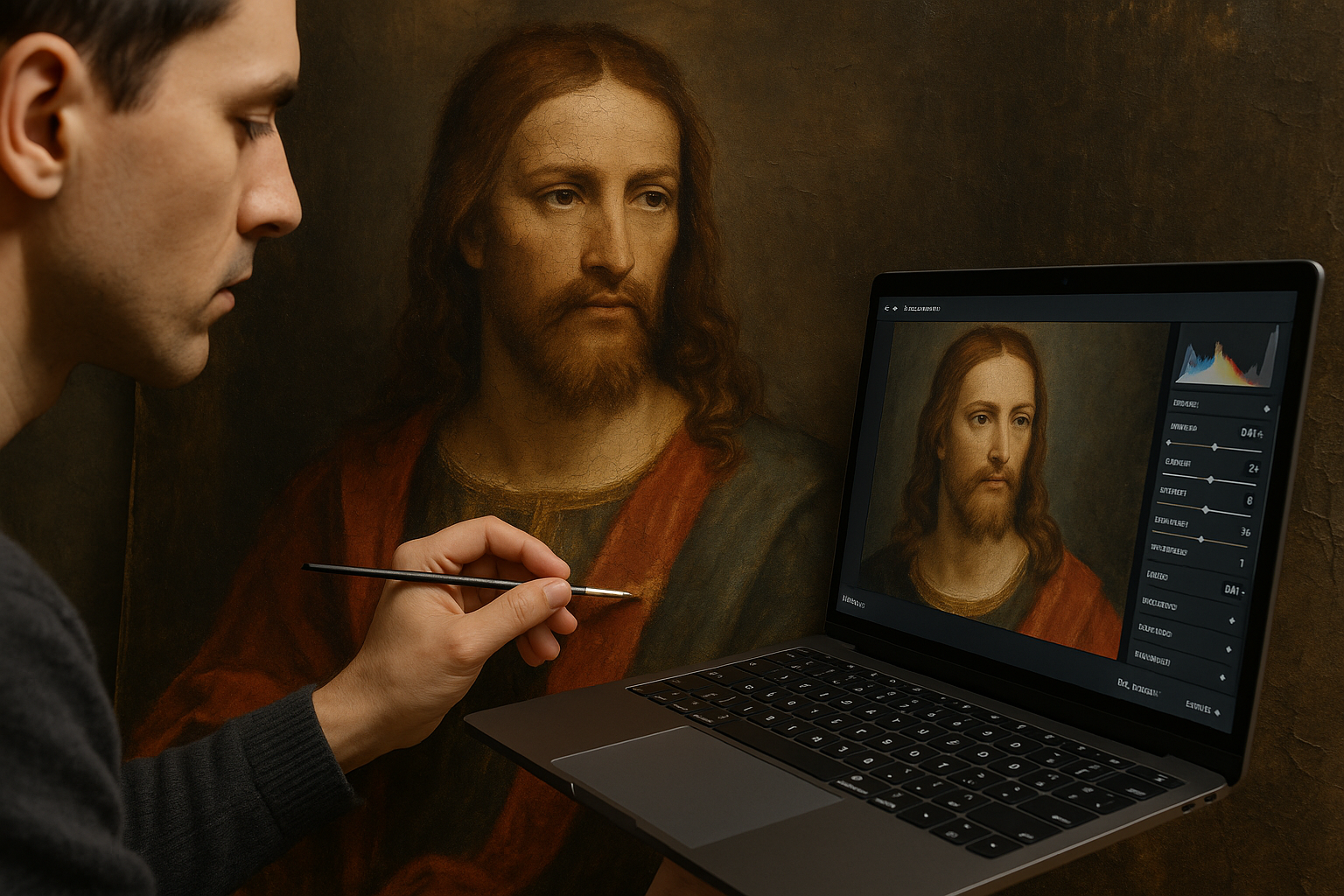
Art restoration is entering a new era, thanks to rapid advances in machine learning and computer vision. Museums and conservation labs around the world are now using AI-powered restoration systems to repair aged, damaged, or incomplete artworks — revealing details that were once believed to be lost forever.
From Renaissance masterpieces to ancient pottery fragments, AI is helping experts preserve cultural heritage with a level of precision that traditional methods alone could not achieve.
How AI Restoration Works
Modern restoration models use deep learning to analyze artwork pixel by pixel, learning patterns such as:
- brushstroke direction
- color palettes
- canvas textures
- stylistic signatures
- historical paint-mixing techniques
Once trained, the model can:
- reconstruct missing sections
- suggest accurate color corrections
- remove cracks, dust, and deterioration
- restore symmetry
- match original artistic style
This approach dramatically reduces restoration time while maintaining authenticity.
Breathing New Life Into Historical Masterpieces
AI is now being used to restore works from:
- Michelangelo
- Leonardo da Vinci
- Van Gogh
- Rembrandt
- early Byzantine and Roman frescoes
In some cases, AI reconstructions have helped historians reinterpret scenes and uncover previously hidden layers beneath the paint.
One notable example:
AI helped reconstruct portions of a 15th-century fresco in Italy that had been destroyed by moisture damage. The restoration revealed new details about the clothing styles and architectural patterns of the era.
Reconstructing Ancient Artifacts
AI is not limited to paintings — researchers use it to reconstruct:
- broken pottery
- ancient sculptures
- mosaics
- carved tablets
- textile patterns
- archaeological fragments
Machine learning models identify matching edges, original shapes, and missing components, helping researchers piece together artifacts that were incomplete for centuries.
A Powerful Tool Against Time
Traditionally, restorers spent months — or even years — repairing delicate masterpieces.
With AI assistance, they can now:
- test multiple restoration variations
- analyze pigments without touching the art
- preview final results digitally
- avoid irreversible mistakes
This makes restoration safer and more accurate than ever before.
Ethical Considerations Remain
Despite its benefits, AI-assisted restoration raises important questions:
- How much should AI “fill in the gaps”?
- Should reconstructions be clearly labeled?
- Where is the line between restoration and reinterpretation?
- Who decides what the “original” looked like?
Museums are increasingly adopting transparency policies so visitors understand how much of a piece was restored or reconstructed using technology.
Preserving History for the Future
AI is helping humanity protect priceless cultural treasures from time, weather, war, and decay.
By blending human expertise with machine precision, art conservation is entering its most transformative era yet — ensuring that future generations can experience the beauty and meaning of artworks once believed to be lost.
Leave a Reply