

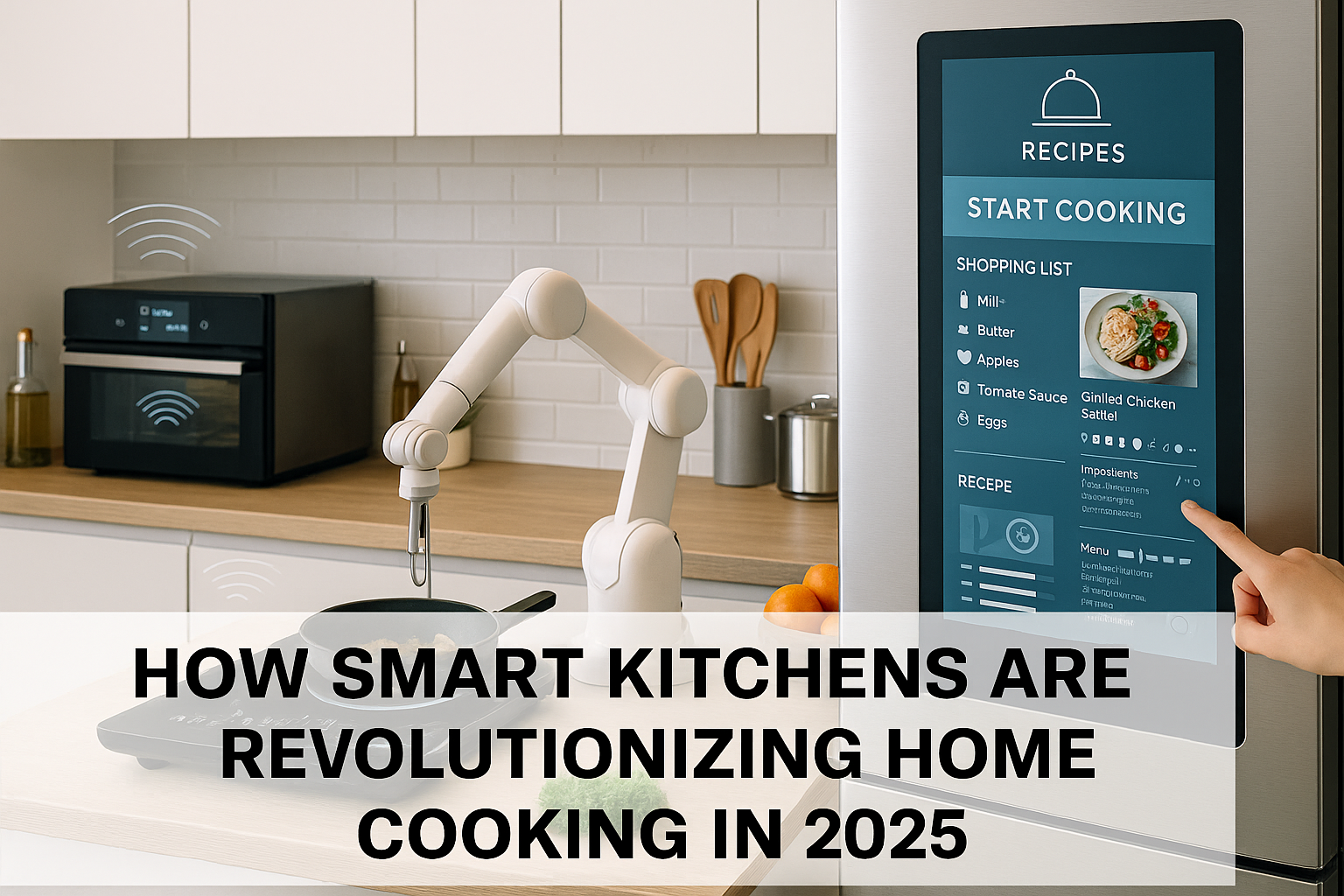
The kitchen has always been the heart of the home — but in 2025, it’s also becoming the smartest room in the house. AI-powered appliances, predictive cooking systems, and connected devices are transforming meal preparation into a seamless experience for families, professionals, and food lovers.
The result? Faster meals, better nutrition, less food waste, and an entirely new cooking experience that blends convenience with creativity.
AI Helps You Cook Based on What’s Already in Your Kitchen
One of the biggest advantages of a smart kitchen is the ability to cook without planning ahead.
Modern AI cooking systems can:
- scan your fridge and pantry
- recommend recipes based on available ingredients
- suggest substitutions
- generate step-by-step cooking instructions
- adjust recipes for dietary needs
- prevent duplicate purchases
This reduces grocery bills and significantly cuts down food waste.
Automated Cooking Appliances Are Becoming Common
AI-powered cooking appliances now assist with:
- automatically adjusting temperature
- stirring, flipping, or sautéing food
- selecting cooking modes based on dish type
- preventing overcooking using camera sensors
- measuring ingredients with built-in scales
- completing entire meals hands-free
Robotic arms and “auto-chef” systems are entering more homes every month, making cooking accessible to beginners and time-pressed households.
Predictive Ovens and Stoves Improve Accuracy
Smart ovens and stovetops can now:
- detect food type
- predict ideal cooking time
- adjust heat in real time
- stop cooking automatically when food reaches perfect doneness
- track moisture levels
- sync with recipes from AI apps
Cooking consistency is no longer limited by skill — AI ensures a perfect result.
Personalized Meal Plans Driven by AI Nutrition Tracking
Smart kitchens now integrate with:
- wearable health trackers
- glucose monitors
- sleep data
- activity records
- dietary goals
Using these metrics, AI can automatically generate meal plans tailored to:
- weight goals
- energy needs
- allergies
- lifestyle patterns
- nutrient deficiencies
This makes healthy living more achievable than ever before.
Voice-Controlled Cooking for a Hands-Free Experience
Busy cooks can now control their entire kitchen with voice commands:
- “preheat the oven to 375°F”
- “show me today’s meal plan”
- “start the rice cooker”
- “add olive oil to my grocery list”
- “play the next step in the recipe”
Voice assistance reduces stress and makes cooking more enjoyable.
Smart Appliances Communicate With Each Other
Interconnected devices create a smooth workflow:
- ovens notify the fridge when ingredients are low
- stovetops sync timers with recipe apps
- dishwashers adjust cycles based on meal type
- air fryers send maintenance alerts
- refrigerators automatically reorder essentials
This ecosystem helps maintain kitchen efficiency and reduces manual work.
AI Helps Reduce Food Waste and Lower Costs
Smart kitchens track:
- expiration dates
- ingredient levels
- portion sizes
- shopping habits
- frequently wasted items
With this information, AI suggests better shopping patterns and cooking routines that save families hundreds of dollars per year.
The Future: Kitchens That Learn From You
Within the next decade, smart kitchens are expected to include:
- fully autonomous cooking robots
- real-time nutrition scoring
- adaptive recipes that change with your taste
- AI kitchen assistants with personal chef personalities
- smart counters that prepare ingredients
The kitchen is no longer a simple workspace — it’s becoming a personalized cooking partner.
The Bottom Line
Smart kitchens are shaping the future of home cooking. With AI automation, connected appliances, and personalized nutrition support, 2025 is redefining how we eat, cook, and experience food at home.
Leave a Reply