

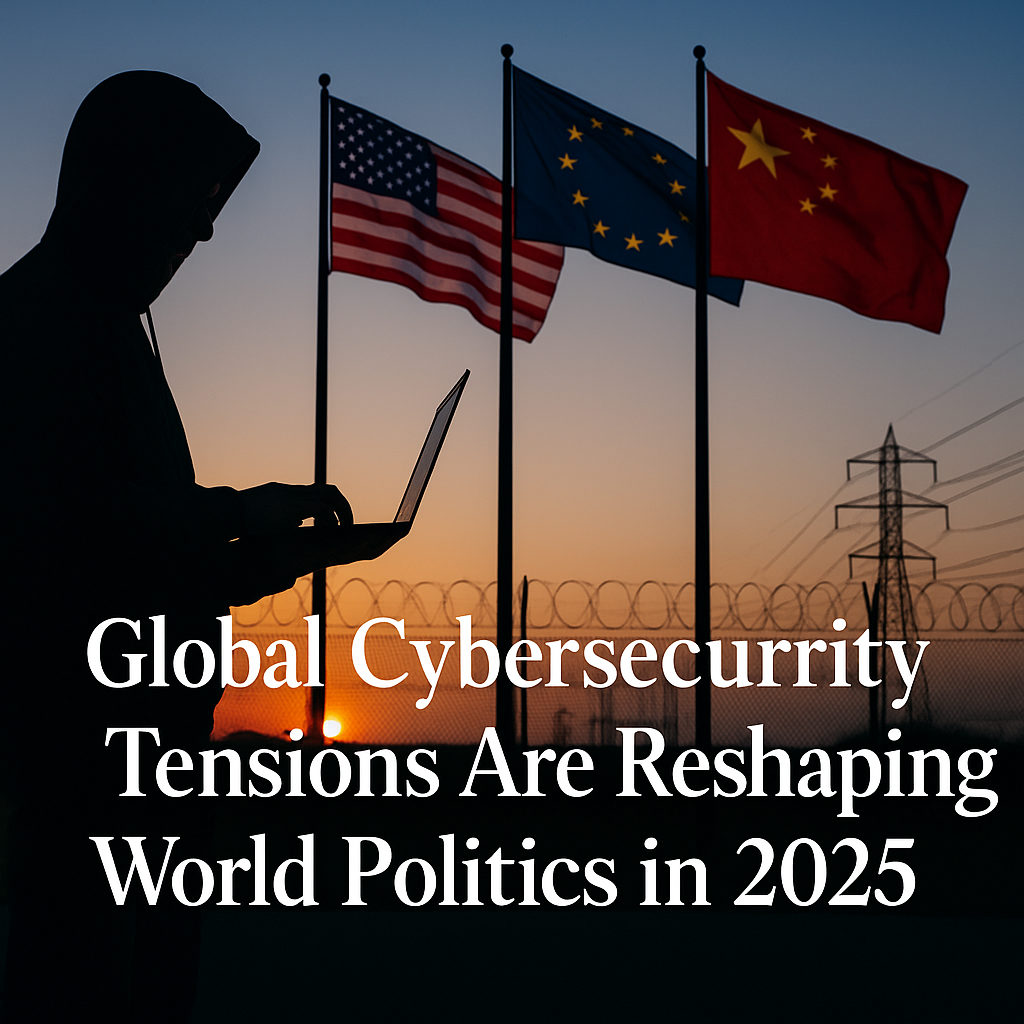
Cybersecurity has moved from a technical concern to a major geopolitical force.
In 2025, nations are treating cyberattacks with the same seriousness as traditional warfare.
From state-backed hacking groups to AI-enhanced espionage, digital conflict is rewriting diplomatic playbooks and reshaping alliances.
This shift is driving some of the biggest political decisions of the year.
1. Nation-State Cyberattacks Are Increasing in Scale and Sophistication
Governments around the world are reporting a surge in:
- infrastructure breaches
- political system attacks
- economic espionage
- AI-generated phishing campaigns
- supply chain infiltration
These attacks now target energy grids, hospitals, telecom networks, and government agencies.
2. Governments Are Building Cyber Defense Alliances
Cybersecurity pacts are becoming as important as military treaties.
New alliances include:
- shared intelligence networks
- joint rapid-response cyber units
- unified ransomware negotiation policies
- cross-border digital threat detection
Nations are recognizing that cyber defense requires global cooperation.
3. AI Is Becoming a Powerful Tool for Both Attack and Defense
AI now plays a central role in digital conflict.
Used by attackers:
- automated vulnerability scanning
- deepfake political manipulation
- AI-driven malware
- identity spoofing
- autonomous intrusion tools
Used by defenders:
- real-time threat monitoring
- predictive breach prevention
- anomaly detection
- AI traffic analysis
AI is raising the stakes on both sides.
4. Election Interference Remains a Major Global Concern
Foreign influence campaigns remain a threat to democratic processes.
Methods include:
- disinformation networks
- social media bot amplification
- AI-generated propaganda
- voter-targeted psychological manipulation
- digital leaks of political documents
Countries are passing new laws to safeguard election integrity.
5. Critical Infrastructure Is Becoming the Main Target
Power plants, water systems, transportation grids, and satellites are increasingly vulnerable.
2025 incidents have included:
- metro system hacks
- large-scale power disruptions
- hospital network compromises
- port authority outages
Cyber defense is now a central part of national security planning.
6. The Rise of “Digital Mercenaries” and Private Hackers
Governments are hiring private cyber groups to:
- conduct offensive operations
- secure national networks
- perform covert information gathering
Meanwhile, rogue freelance hackers are being recruited by hostile actors.
7. Global Tech Companies Are Now Political Actors
Tech giants control:
- cloud data
- AI engines
- messaging platforms
- encryption systems
- geopolitical communication channels
This gives them political influence once reserved only for governments.
8. Diplomatic Conflicts Are Increasing Over Data Privacy
Countries disagree on:
- data localization
- AI data training policies
- cross-border cloud access
- national encryption rights
Data privacy is becoming a global diplomatic battleground.
9. Cyber Defense Spending Has Surpassed Traditional Military Growth
Governments are reallocating budgets toward:
- advanced firewalls
- AI threat systems
- cyber training for military staff
- defense-grade encryption
- zero-trust architectures
The cyber battlefield is now as important as the physical one.
10. The Future: A World Where Cybersecurity Defines Power
Political analysts predict:
- AI-driven cyber treaties
- international cyber law courts
- coordinated global cyber policing
- standardized cyber warfare rules
Nations that lead in cybersecurity will dominate global influence.
The Bottom Line
Cybersecurity is shaping global politics more than ever before.
As cyber threats escalate, nations are adapting with new defense alliances, stricter regulations, and advanced AI-driven protection systems.
2025 marks the beginning of a new era where digital security is inseparable from national power.
Leave a Reply